Directed by Ridley Scott
10/10
8.5/10
9/10
9/10
10/10
10/10
In Space, No One Can Hear You Scream: The Perfect Organism of Horror Cinema
Ridley Scott's Alien stands as one of those rare films that achieves absolute perfection within its chosen form—a work so meticulously crafted, so confident in its vision, and so ruthlessly effective in execution that it becomes the definitive standard against which all subsequent efforts in its subgenre must be measured. This is the haunted house in space, the slasher movie aboard a doomed starship, the creature feature elevated to the realm of high art through sheer technical mastery and unwavering commitment to sustained terror. Forty-five years after its release, Alien remains not just influential but genuinely frightening, a testament to Scott's understanding that the most effective horror comes from patient atmospheric buildup, practical craftsmanship, and the primal fear of being hunted by something perfectly adapted to kill.
The genius of Dan O'Bannon's screenplay lies in its elegant simplicity—seven crew members of a commercial space vessel investigate a distress signal and bring something terrible aboard. What follows is methodical elimination, each death raising the stakes and tightening the noose around the survivors. The structure is pure slasher logic transplanted to science fiction, but executed with such sophistication and atmospheric richness that it transcends both genres to become something more primal: the ultimate expression of human vulnerability against an unstoppable predator.
Sigourney Weaver's star-making performance as Ripley represents one of cinema's most important character achievements. Weaver creates a protagonist who earns her survival not through special skills or destiny but through intelligence, pragmatism, and sheer stubborn refusal to die. Ripley isn't introduced as the obvious hero—for much of the film's runtime, she's simply one member of an ensemble—which makes her emergence as final survivor feel organic rather than predetermined. Weaver brings working-class authenticity to the role, playing Ripley as someone doing a job rather than living an adventure, which grounds the horror in recognizable human experience.
The supporting cast populates the Nostromo with lived-in characters who feel like actual working people rather than archetypes. Tom Skerritt as Dallas provides world-weary authority, Yaphet Kotto as Parker brings blue-collar resentment, Harry Dean Stanton as Brett embodies resigned fatalism, John Hurt as Kane becomes the film's most memorable victim, Veronica Cartwright as Lambert channels pure terror, and Ian Holm as Ash conceals the film's most disturbing revelation. Each actor brings specificity and authenticity, creating a crew that feels like they've been working together in close quarters for months.
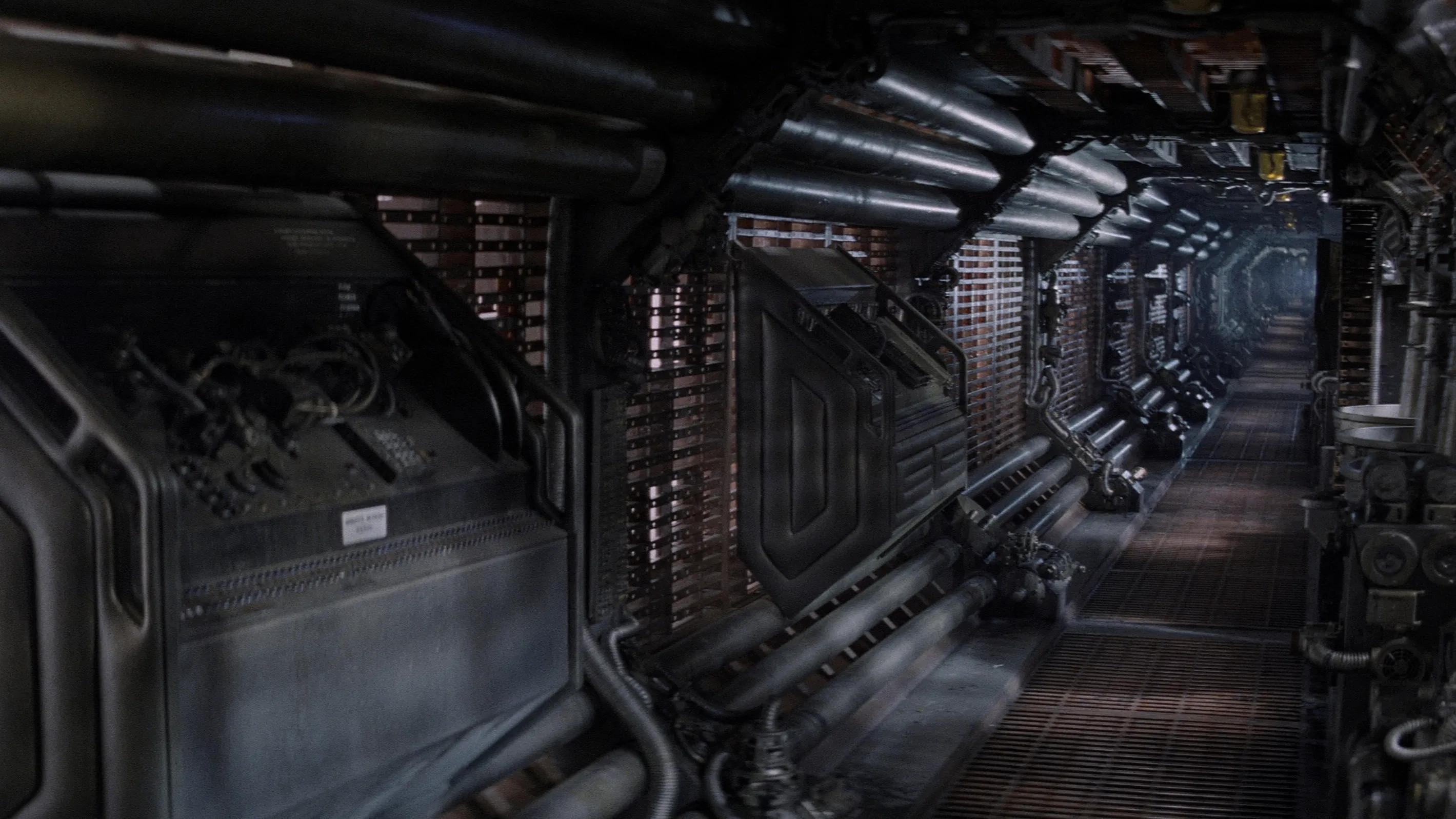
Scott's visual language, realized with cinematographer Derek Vanlint, represents one of horror's supreme aesthetic achievements. The film operates in two distinct visual modes—the industrial griminess of the Nostromo's corridors versus the biomechanical nightmare of the alien ship and its cargo. Both environments are rendered with such tactile detail that they feel genuinely inhabited and dangerous. Scott's use of shadow, negative space, and carefully composed frames creates constant visual tension, suggesting threats lurking just beyond our perception.
The production design represents a watershed moment in science fiction and horror aesthetics. The Nostromo's interior, designed by Michael Seymour, Ron Cobb, and Chris Foss, feels authentically industrial rather than futuristic—this is a working ship, all exposed machinery and cramped quarters, where corporate cost-cutting is evident in every frame. The contrast with H.R. Giger's alien environments creates profound cognitive dissonance—the cold functionality of human technology versus the sexual, organic horror of the alien lifecycle.
Giger's design work deserves recognition as one of cinema's most influential artistic achievements. The alien itself, the derelict spacecraft, the space jockey, and particularly the facehugger and chestburster stages represent biomechanical nightmare imagery that has never been surpassed. Giger understood instinctively how to make the alien simultaneously recognizable and utterly wrong, incorporating sexual imagery and bodily violation into creature design in ways that bypass rational thought to trigger primal revulsion.
The sound design and Jerry Goldsmith's score create an auditory landscape of constant unease. The ambient sounds of the Nostromo—groaning metal, hissing steam, mechanical rhythms—establish the ship as a living environment, while the alien's sounds (that distinctive hiss and shriek) become instantly iconic. Goldsmith's score combines romantic strings with avant-garde techniques, creating music that feels both beautiful and threatening, suggesting the terrible grandeur of space and the intimate horror of being hunted.
The film's approach to its creature deserves particular recognition for its restraint and strategic revelation. Scott understands that the less we see clearly, the more frightening the alien becomes. The monster is glimpsed in fragments—a hand here, the elongated skull there, a tail disappearing into shadows—until the final confrontation forces full revelation. Even then, the alien is shot in ways that emphasize its otherworldliness rather than inviting close examination.
The famous chestburster sequence represents one of horror cinema's most shocking moments, effective because it violates our expectations completely. The scene begins as relief—Kane has apparently recovered—before erupting into body horror that still feels genuinely transgressive. The practical effects, with genuine reactions from actors who weren't fully informed about what would happen, create a moment of authentic shock that has never been equaled.
Scott's direction maintains perfect control of pace and tension throughout. The film's first act takes its time establishing the Nostromo and its crew, creating investment in these people before subjecting them to horror. The middle section becomes a masterclass in sustained suspense, each hunt sequence building dread through careful staging and editing. The final act strips away all supporting elements until only Ripley and the alien remain, creating primal confrontation in the most confined space possible.
The film's exploration of corporate exploitation adds thematic weight to the horror. The revelation that the crew is expendable, that Ash's secret mission prioritizes the alien over human life, transforms the film into a critique of capitalism's dehumanizing logic. The Nostromo crew are working-class people betrayed by the company they serve, making their deaths not just tragic but politically charged.
The film's sexual imagery and themes of violation have been extensively analyzed, but their power comes from how organically they're integrated into the horror. The alien lifecycle—implantation, gestation, violent birth—literalizes fears of bodily invasion and loss of autonomy. The facehugger's attack on Kane becomes coded rape imagery, while the phallic design of the adult alien suggests predatory masculine sexuality. These elements work on viewers viscerally before we consciously process their meaning.
The technical execution remains flawless throughout, with practical effects, miniature work, and matte paintings creating a completely convincing world. The film's visual effects hold up remarkably well because they're grounded in physical reality rather than relying on technology that dates poorly. Every environment feels tangible and dangerous because it was actually built and filmed.
The film's ending, with Ripley's escape and the alien's final appearance, provides one of horror's most perfectly calibrated climaxes. Just when we think she's safe, the alien reveals itself in the shuttle, forcing one final confrontation in impossibly confined quarters. The sequence works because Scott has earned our complete investment in Ripley's survival through careful character development and mounting tension.
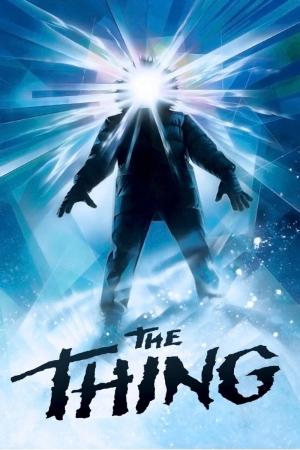
Alien's influence on subsequent science fiction and horror cannot be overstated—it essentially created the template for "claustrophobic space horror" while establishing new standards for creature design, practical effects, and atmospheric worldbuilding. Everything from The Thing to Dead Space to The Descent owes a debt to Scott's demonstration that horror and science fiction could merge seamlessly to create something more powerful than either genre alone.
What makes Alien endure as a timeless classic is its refusal to compromise on any element. Every frame serves the story's needs, every sound contributes to atmosphere, every performance rings true. Scott created a film where artistic vision and commercial entertainment merge completely, where no aspect feels like obligation or afterthought. This is horror crafted with the precision of Swiss watchmaking and the artistry of grand cinema.
Alien represents horror filmmaking at its absolute peak—a work that understands the genre's fundamental appeals while elevating them through impeccable craft and uncompromising vision. It's a film that proves great horror requires no apologies or qualifications, that genre cinema executed with complete mastery can stand alongside any artistic achievement in the medium. In an era when "elevated horror" has become a marketing term, Alien reminds us that horror was always capable of elevation when made by filmmakers who respected both the audience and the genre's capacity for genuine artistry and lasting terror.