Directed by Damian Mc Carthy
9.5/10
8.5/10
6/10
9/10
10/10
9/10
The Antique Shop of Nightmares: Indie Horror at Its Most Unnerving
Damian Mc McCarthy's Oddity arrives like a perfectly preserved relic from horror's golden age—polished to an unsettling sheen yet bearing the unmistakable patina of something genuinely haunted. This Irish supernatural thriller doesn't just announce the arrival of a major new voice in genre cinema; it demonstrates that independent horror, when crafted with surgical precision and genuine understanding of what makes us squirm, can achieve heights that big-budget frightfests can only dream of reaching.
At its core, Oddity is a revenge story wrapped in layers of supernatural dread, but Mc McCarthy's achievement lies in how he transforms familiar elements into something that feels both timeless and urgently contemporary. The film follows Darcy, a blind antique dealer with psychometric abilities, as she investigates the brutal murder of her twin sister Dani one year prior. What unfolds is a masterclass in escalating tension that proves indie horror's greatest strength: the ability to focus intensely on character, atmosphere, and craft without the distractions of spectacle for spectacle's sake.
Carolyn Bracken delivers dual performances as the murdered Dani and her surviving sister Darcy, creating two distinct yet eerily connected characters. Her portrayal of Darcy is particularly remarkable—Bracken never lets the character's blindness become a gimmick or source of cheap vulnerability. Instead, she presents Darcy as someone whose other senses have become supernaturally acute, turning her disability into a different kind of sight entirely. Watch how Bracken uses her physicality to convey Darcy's relationship with objects and spaces; every gesture feels considered, every movement purposeful. She inhabits these roles with such conviction that when the film's reality begins to bend, we never question the authenticity of her experience.
The film's visual design deserves recognition as one of horror's most effectively realized recent achievements. Mc McCarthy, working with cinematographer Colm Hogan, creates a world where every frame feels meticulously composed yet naturally unsettling. The remote countryside house where much of the action unfolds becomes a character in its own right—isolated enough to feel genuinely threatening, yet modern enough that we can't dismiss the events as period Gothic nonsense. The interior spaces feel simultaneously too large and claustrophobically small, with shadows that seem to shift when we're not looking directly at them.
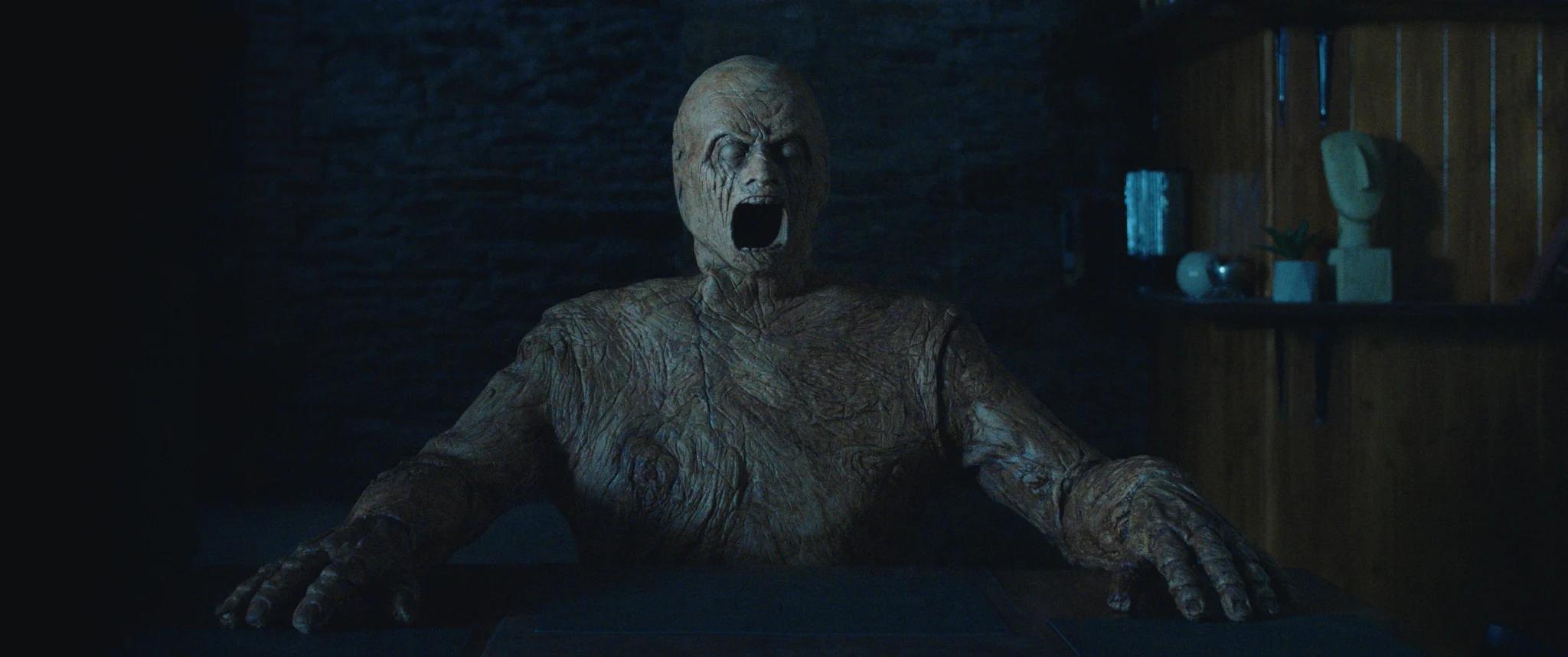
But it's the film's use of objects that truly sets it apart. Darcy's antique shop becomes a cabinet of cursed curiosities, each item carrying its own malevolent history. Mc McCarthy understands that the best horror often comes from the familiar made strange, and his camera lingers on seemingly innocent objects until they become sources of mounting unease. A wooden mannequin, in particular, becomes one of horror cinema's most effective recent antagonists—not through elaborate special effects, but through careful framing, lighting, and the kind of patient build-up that modern horror too often abandons in favor of immediate gratification.
The sound design and Richard G. Mitchell's score work in perfect harmony to create an auditory landscape that feels alive with threat. Mc McCarthy uses silence as effectively as any composer uses notes, allowing the natural sounds of the isolated house—creaking wood, settling foundations, wind through trees—to become instruments of dread. When the supernatural elements begin to manifest, the audio design never oversells the moments. Instead, it creates a sense that the house itself is holding its breath, waiting for something terrible to happen.
The film's approach to its supernatural elements demonstrates a sophisticated understanding of horror's power to literalize emotional states. Darcy's psychometric abilities aren't just convenient plot devices; they represent the way trauma can make the past feel perpetually present, how the residue of violence can infect spaces and objects long after the events themselves have concluded. The mannequin and other cursed antiques become physical manifestations of unresolved grief and anger, turning Darcy's gift into both weapon and burden.
Mc McCarthy's direction shows remarkable restraint throughout, never rushing toward easy scares or telegraphing his intentions. He builds tension through accumulation rather than escalation, allowing small moments of unease to compound until the atmosphere becomes almost unbearably thick. The film's pacing reflects the rhythms of traditional ghost stories, where dread builds slowly and inexorably toward confrontation. This approach requires tremendous confidence from a filmmaker, trusting that audiences will stay engaged with character and atmosphere rather than demanding constant stimulation.
The performances across the board are naturalistic and grounded, preventing the supernatural elements from feeling divorced from emotional reality. Gwilym Lee as Ted, Dani's widowed husband, manages to make his character's guilt and defensiveness feel genuine rather than simply suspicious. The supporting cast populates the world with recognizable human beings rather than horror movie archetypes, making the intrusion of the supernatural feel more jarring and effective.
Oddity succeeds brilliantly at creating what might be called "furniture horror"—the kind of fear that makes you suspicious of your own domestic spaces. Mc McCarthy understands that our homes are supposed to be sanctuaries, and that violating that sense of safety creates horror that extends far beyond the runtime. The film's objects become infected with malevolence not through obvious supernatural manifestation, but through careful suggestion and mounting dread.
The film's technical execution is flawless, proving that independent horror can compete with any budget level when craft and vision align properly. The production design, editing, and cinematography all serve the story's needs without drawing attention to themselves, creating a seamless experience that allows audiences to become completely absorbed in the narrative world.
Perhaps most impressively, Oddity manages to feel both like a throwback to classical horror traditions and a thoroughly modern piece of filmmaking. It honors the patient build-up and atmospheric focus of the genre's masters while incorporating contemporary sensibilities about character development and psychological complexity. The result is a film that should satisfy both devoted horror fans seeking genuine scares and more general audiences looking for sophisticated thriller entertainment.
Oddity represents everything that makes independent horror essential to the genre's continued vitality. It's a film that understands horror's fundamental appeal while refusing to rely on familiar formulas or easy shortcuts. Mc McCarthy has created something genuinely unsettling and emotionally resonant, a film that proves the old adage that the best horror comes not from what you see, but from what you fear might be lurking just outside your peripheral vision. In a landscape often dominated by sequels and franchise entries, Oddity stands as a reminder of horror's capacity for genuine originality and lasting impact.