Directed by Zach Cregger
9/10
6.5/10
7.5/10
8.5/10
9/10
8/10
Puzzle Box Horror: Cregger Levels Up with Ambitious Vision
Zach Cregger's Weapons arrives not as a retread of Barbarian's unexpected brilliance but as a genuine evolution—a more ambitious, more structurally complex work that trades immediate shock value for the slower burn of accumulating dread and narrative intricacy. While Barbarian announced Cregger as a major horror talent through pure audacity and tonal whiplash, Weapons confirms him as a filmmaker with genuine artistic vision, willing to trust audiences with challenging material and patient storytelling. This is a film that feels destined to exist, as if Cregger needed to make it to prove something to himself about what horror cinema can achieve when it prioritizes atmosphere and mystery over easy thrills.
The film employs an interconnected narrative structure, following multiple characters across different timelines as a mysterious supernatural threat weaves through their lives in a seemingly ordinary American suburb. What could have been a gimmick becomes the film's greatest strength—Cregger's ambition to create horror that operates like a complex puzzle pays off magnificently when the pieces start clicking together. The fragmented structure forces active engagement from viewers, demanding attention to detail and rewarding careful observation in ways that feel rare in contemporary horror.
The ensemble cast delivers consistently strong work, with each actor fully inhabiting their role even when they only appear in scattered segments. While no single performance dominates like Georgina Campbell's iconic turn in Barbarian, the cumulative effect of the ensemble creates something richer and more textured. The actors sell both the mundane reality of suburban life and the mounting sense that something fundamental is wrong with their world, grounding the increasingly strange occurrences in recognizable human behavior.
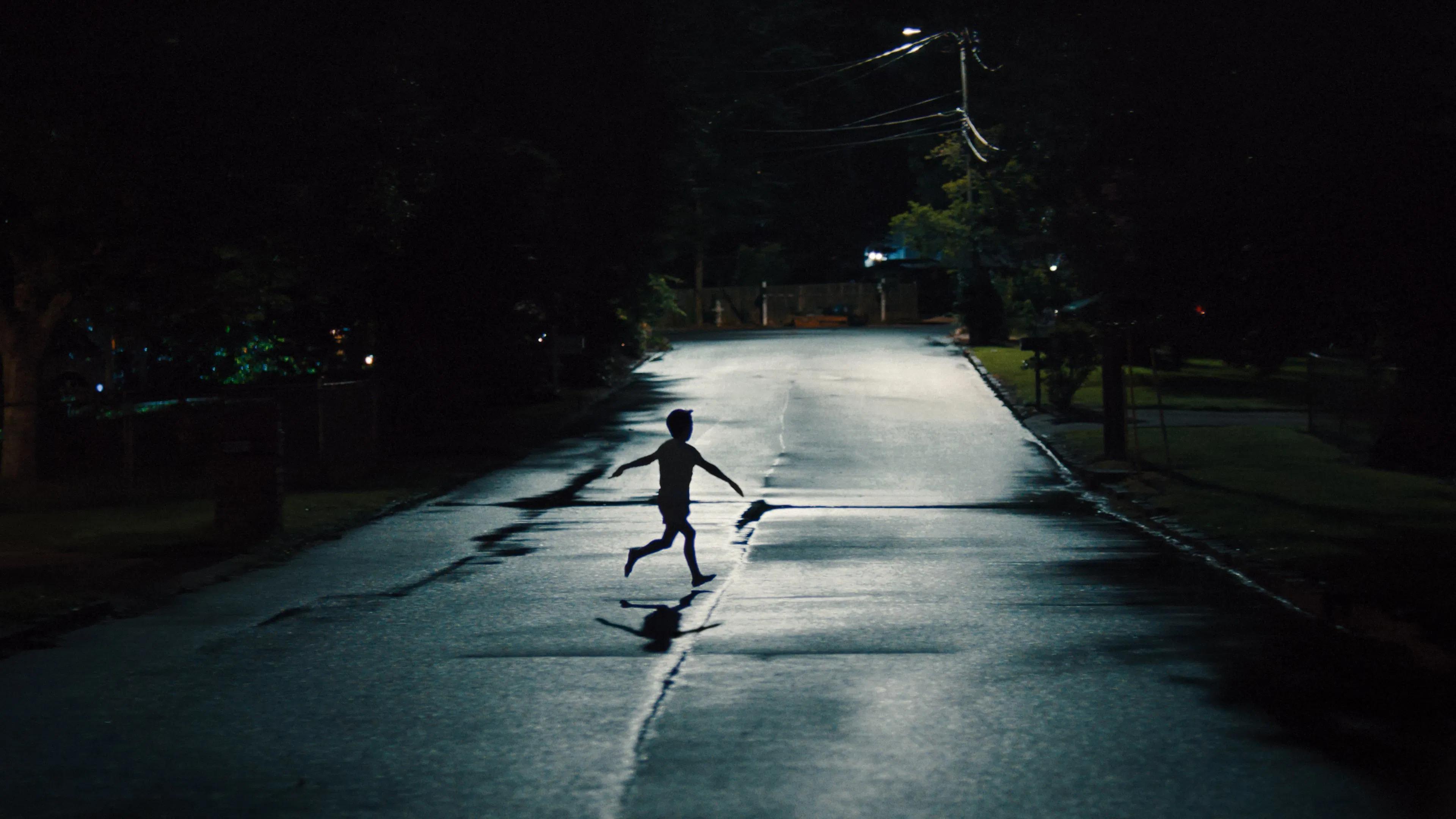
Cregger's visual language shows remarkable maturation, demonstrating growing confidence and sophistication as a director. The cinematography transforms everyday suburban settings—driveways, backyards, school parking lots, quiet streets—into spaces pregnant with threat. Unlike Barbarian's more obvious visual contrasts between domestic normalcy and subterranean nightmare, Weapons finds horror in spaces that never stop looking normal, which makes the intrusion of the supernatural feel more disorienting and effective.
The film's use of composition and framing creates a persistent sense of unease through patient observation rather than obvious stylistic flourishes. Cregger frequently holds shots just slightly longer than comfortable, allowing the mundane to curdle into menace through sheer duration. The camera work suggests surveillance, as if we're watching these characters from some malevolent perspective that understands more about their situation than they do.
The sound design creates an auditory landscape that keeps viewers perpetually off-balance, using ambient noise and subtle audio cues to suggest wrongness long before supernatural elements become explicit. The score supports this approach perfectly, creating musical textures that feel contemporary and unsettling without overwhelming the careful atmospheric work. Together, they create a sonic environment where even silence feels threatening.
Where Weapons surpasses Barbarian most significantly is in its sustained atmosphere of dread. While the earlier film relied heavily on shock and tonal shifts to generate horror, Weapons builds a more pervasive sense of creeping wrongness that never fully dissipates. This is horror as slow-motion corruption, where the threat isn't something that jumps out from the darkness but something that might have always been there, hiding in plain sight.
The film's individual set pieces demonstrate that Cregger's ability to construct effective horror sequences has only sharpened. Several moments in Weapons rank among the most unsettling recent horror imagery, showcasing his talent for finding fresh approaches to genre conventions. More importantly, these sequences emerge organically from the narrative rather than feeling like obligatory horror beats inserted to meet genre expectations.
The exploration of suburban anxiety and hidden violence beneath middle-class normalcy feels both timely and timeless. Cregger taps into contemporary fears about neighborhood safety and the potential for ordinary spaces to harbor extraordinary horrors, but he approaches these themes with more subtlety and nuance than Barbarian's more on-the-nose social commentary. The title itself invites multiple interpretations—literal weapons, people as weapons, suburban life as weapon—and the film rewards thinking about these layers without forcing specific readings.
The interconnected storyline creates genuine mystery that sustains interest throughout. Unlike many puzzle-box narratives that promise more than they deliver, Weapons provides resolutions that feel earned and satisfying. The revelation of how the various threads connect generates the kind of "oh shit" realization that makes you want to immediately rewatch the film with new understanding. Some threads are more developed than others, creating occasional imbalance, but this feels more like deliberate choice than structural weakness.
Cregger's direction shows remarkable confidence in his ability to hold audience attention through atmosphere and suggestion rather than constant stimulation. The film's pacing reflects trust in viewers' willingness to engage with material that prioritizes mounting dread over immediate gratification. This approach requires genuine confidence from a filmmaker, especially following the success of a more immediately accessible film.
The production design creates a convincingly ordinary suburban world that becomes progressively infected by wrongness without ever losing its surface normalcy. The attention to regional and period detail grounds the supernatural elements in recognizable reality, making the horror feel more impactful precisely because it never fully breaks from the mundane aesthetic it establishes.
What makes Weapons particularly impressive is how it represents genuine artistic growth. Cregger isn't simply repeating the formula that worked before; he's pushing himself into more challenging territory, attempting something structurally complex and thematically ambitious. That he largely succeeds speaks to rapidly developing craft and genuine vision for what horror cinema can achieve.
The film's technical execution is consistently excellent, with professional craftsmanship evident in every frame. The editing navigates the complex narrative structure with clarity, ensuring that the fragmentation serves the story rather than confusing it. The various technical departments work in perfect harmony to create a unified vision that feels both polished and genuinely unsettling.
Weapons may not have Barbarian's immediate shock value or water-cooler moments, but it offers something more sophisticated—a horror film that trusts audiences with complexity and rewards that trust with genuine atmosphere and mounting unease. It's the work of a filmmaker who has moved past the need to prove he can shock audiences and into the more interesting territory of exploring what sustained dread can achieve.
This is horror cinema that prioritizes craft and atmosphere over easy thrills, that understands the value of mystery and patient revelation. Weapons confirms Zach Cregger as one of contemporary horror's most interesting voices—a filmmaker willing to take risks, trust his vision, and push the genre toward more challenging and rewarding territory. While Barbarian announced his talent, Weapons demonstrates his range and ambition, suggesting that his best work may still be ahead of him.