Directed by John Frankenheimer
10/10
2/10
6/10
10/10
10/10
10/10
The Horror of Getting Everything You Wanted: Identity as Ultimate Prison
John Frankenheimer's Seconds stands as one of cinema's most devastating explorations of existential terror, a film that uses science fiction premises to create horror more profound and lasting than any supernatural threat could achieve. This is horror as philosophical nightmare, a work that doesn't simply frighten audiences but fundamentally challenges their assumptions about identity, desire, and the American dream itself. More than five decades after its release, Seconds remains a singular achievement in psychological terror, a film that proves the genre's capacity for serious artistic expression while delivering scares that operate on the deepest possible level.
The film follows Arthur Hamilton, a middle-aged banker whose suburban malaise leads him to a mysterious organization that promises complete life transformation through elaborate surgery and identity reconstruction. What emerges is a masterpiece of mounting paranoia and existential dread that uses body horror concepts to explore themes of authenticity, middle-class desperation, and the ultimate impossibility of escaping oneself.
Rock Hudson delivers the performance of his career as Tony Wilson, the new identity forced upon the surgically transformed Hamilton. Hudson's casting represents a stroke of genius—his matinee idol persona becomes part of the film's thematic fabric, suggesting how even perfect physical transformation cannot address deeper psychological wounds. Watch how Hudson embodies the disconnect between Wilson's supposedly ideal new life and Hamilton's persistent internal reality; he creates a character who feels genuinely uncomfortable in his own skin because, literally and metaphorically, it isn't his skin anymore.
John Randolph's performance as the original Arthur Hamilton establishes the character's suffocating sense of entrapment with remarkable economy. In just the film's opening sequences, Randolph creates a complete portrait of middle-class masculine desperation—a man who has achieved everything society told him to want only to discover that achievement feels like slow death. His Hamilton isn't simply dissatisfied; he's spiritually extinct, going through the motions of a life that feels increasingly meaningless.
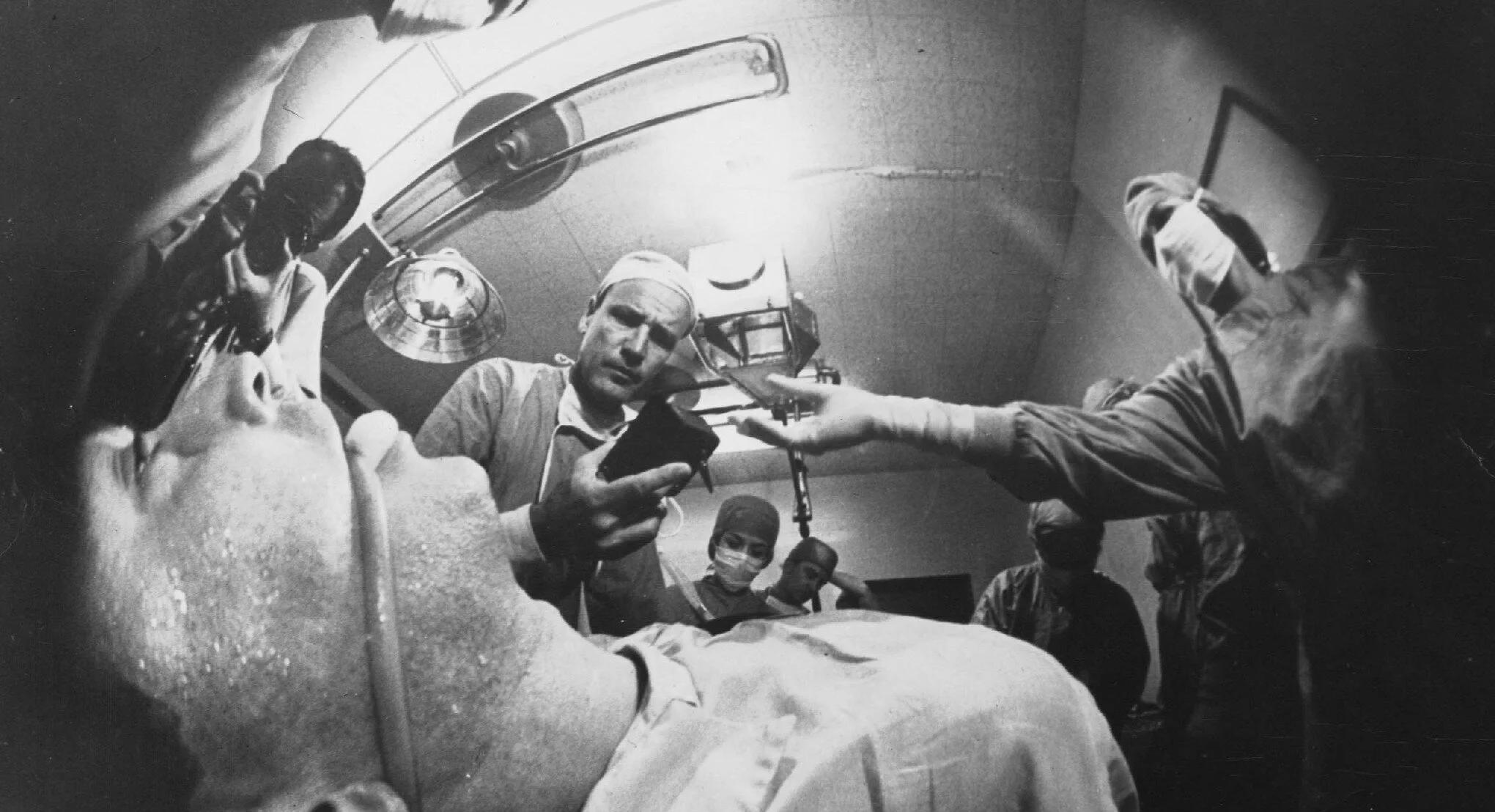
Frankenheimer's visual language creates one of cinema's most effectively disorienting experiences, using wide-angle lenses and distorted perspectives to make familiar environments feel alien and threatening. Cinematographer James Wong Howe employs techniques that make every frame feel slightly off-kilter, creating a world where nothing can be trusted, including our own perceptions. The famous fish-eye lens sequences don't feel like stylistic flourishes but like visual representations of psychological distortion.
The film's production design creates spaces that feel both luxurious and profoundly artificial. The Company's facilities suggest wealth and sophistication while maintaining an underlying clinical coldness that makes every interaction feel like participation in some elaborate psychological experiment. Wilson's Malibu artist lifestyle looks like paradise but feels like an elaborate prison, beautiful surfaces concealing existential emptiness.
Jerry Goldsmith's score deserves recognition as one of his most experimental and effective works, creating soundscapes that feel both modernist and deeply unsettling. Rather than traditional horror orchestration, Goldsmith employs avant-garde techniques that mirror the film's themes of transformation and alienation. The music doesn't simply accompany the action; it becomes part of the film's exploration of how identity can be surgically altered but never truly escaped.
Seconds' treatment of its science fiction elements demonstrates sophisticated understanding of how speculative premises can serve deeper psychological truths. The Company's ability to provide complete physical transformation becomes a literalization of every midlife crisis fantasy, while the ultimate impossibility of true change serves as commentary on American obsessions with reinvention and self-improvement.
The film's exploration of conformity and suburban alienation feels prophetically relevant to contemporary culture, anticipating everything from plastic surgery obsession to social media identity performance. Hamilton/Wilson's inability to find satisfaction even after achieving his fantasy transformation speaks to deeper questions about authentic happiness and the impossibility of escaping one's essential nature.
Frankenheimer's direction maintains perfect control throughout, treating the increasingly surreal developments with complete seriousness while never losing sight of the human emotional core. The film's pacing builds dread through careful character development rather than obvious genre beats, making Wilson's growing desperation feel psychologically authentic rather than simply plot-driven.
The famous Malibu party sequence represents one of cinema's most effectively disturbing explorations of forced hedonism, a scene that transforms apparent liberation into something genuinely nightmarish. The grape-stomping orgy becomes a perfect metaphor for Wilson's entire situation—an activity that looks like freedom but feels like participation in someone else's idea of what happiness should look like.
The film's treatment of aging and masculine identity remains remarkably sophisticated, exploring how societal expectations about male success and vitality can become sources of profound psychological pressure. Hamilton's willingness to undergo such extreme transformation speaks to deeper anxieties about relevance, sexuality, and the gradual irrelevance that aging brings in youth-obsessed culture.
Seconds' ending represents one of cinema's most perfectly calibrated conclusions, a finale that feels both shocking and inevitable. The revelation that Wilson cannot escape the Company's control, that his transformation was always intended to be temporary, transforms everything we've seen into something even more sinister. The final operating room sequence becomes a meditation on how the pursuit of perfection can become its own form of damnation.
The film's themes of corporate manipulation and commodified identity feel unnervingly prescient in an era of data harvesting and algorithmic control. The Company's ability to monitor and manipulate their clients' lives anticipates contemporary anxieties about privacy and autonomy in ways that feel almost supernatural in their accuracy.
Seconds operates as both paranoid thriller and profound meditation on authentic existence, demonstrating horror's unique capacity to externalize internal states. The film's suggestion that true identity cannot be surgically altered or professionally managed speaks to fundamental questions about human nature and the possibility of genuine change.
The technical execution is flawless throughout, with every element serving the film's central vision of transformation as ultimate trap. The black-and-white cinematography creates a world that feels both realistic and nightmarishly distorted, while the editing maintains perfect pacing that builds tension through character development rather than obvious manipulation.
Seconds represents the absolute pinnacle of intelligent horror filmmaking, a work that respects both the genre's capacity for visceral impact and its potential for serious artistic expression. It's a film that doesn't simply frighten—it fundamentally alters how we think about identity, desire, and the price of getting everything we think we want.
In a genre often content with surface-level scares, Frankenheimer created something genuinely profound and lasting, a work that continues to reveal new layers of meaning with each viewing. Seconds stands as proof that horror cinema can achieve genuine artistic greatness while delivering experiences that burrow deep into the psyche and refuse to let go. This is filmmaking at its most uncompromising and visionary, a perfect fusion of entertainment and art that demonstrates everything the medium can achieve when vision, craft, and thematic sophistication align in perfect harmony.